Dear Parents,
An invitation to a very different sort of community of care and practice

[This is a letter I wrote to fellow parents, inviting them to support their young adults in our one-year Liminal Learning program.]
Dear Parents,
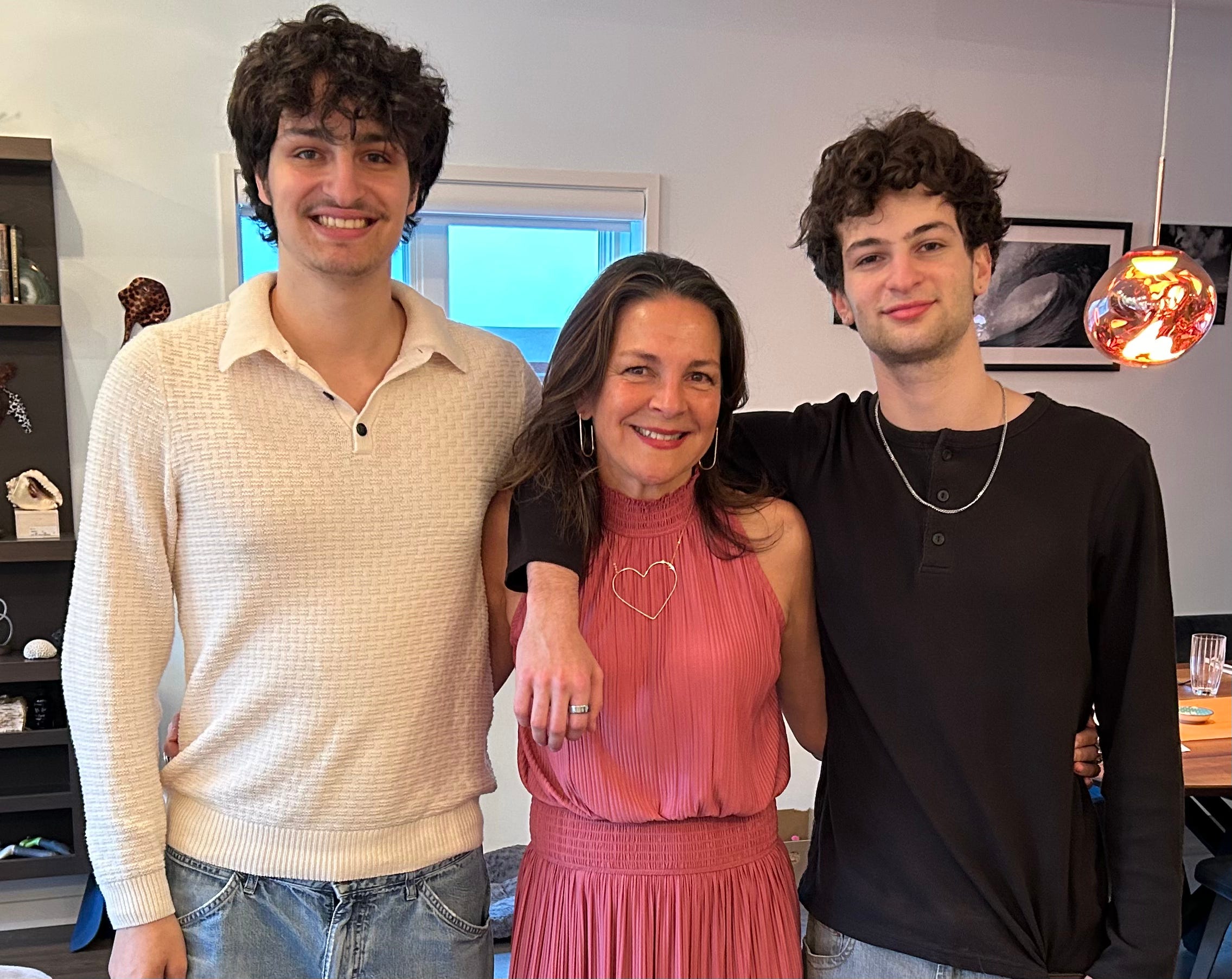
I’m writing this as a parent of two adult children and as a developmental researcher who has spent twenty-five years studying what young people actually need to thrive.
When I look at my own kids and the young adults around them, I see curiosity, earnestness, and impatience - and yes, I also see uncertainty, fragility, and worry. What I DON’T see is failure. Young people are navigating a world in flux: a failing education system, a housing market that makes independence nearly impossible, a shattered social landscape, wars disrupting the global order, AI replacing entire categories of work, and an ecological crisis with irreversible consequences and no promising escape. As these crises unfold, Generation Z is being asked to step up and take on problems they had no part in creating.
So I don’t notice failure, laziness, or apathy. It looks more like disorientation to me and part of it comes from being asked to take responsibility without ceremony or acknowledgement. We used to mark this crossing into adulthood. We had rituals that said: you are no longer a child, and here is what you are stepping into.
Watching the crises compounding and my own generation’s retreat from responsibility is a large part of why I resigned my developmental psychology professorship and helped build Liminal Learning. We’ve already done the research and it shows us that our young adult kids are not broken. What develops in a young person is always shaped by what the surrounding environment provides. Confidence, direction, and a sense of belonging aren’t character traits they either possess or don’t. They’re assets that develop when someone is immersed in the right social conditions at the right moment.
A year in Liminal Learning won’t resolve everything. But what parents consistently tell me, and what I’ve watched happen in the first cohorts, is that their young adult’s attitude towards the future shifts. They start carrying themselves differently, feeling like they belong and have a voice. The conversations change. They arrive uncertain about what comes next, and they leave with a clearer sense of what they care about and what they’re capable of, as well as a growing community cheering them on through their next steps. Fifty years of research — some of which I’ve conducted in my own lab — has shown that genuine self-knowledge combined with real contribution is the most reliable foundation for an adult life. It’s what I’m working hard to support in my own two adult children, and Liminal Learning is what we’ve built for yours.
We’re not offering shortcuts. We’re offering a threshold, mentorship, deep and lasting friendships, and an ongoing community committed to showing up for each other long past the one-year program comes to a close. If you’d like to talk about what we’re offering at Liminal Learning, please get in touch!
Warmly yours,
Isabela